Schluter®-JOLLY
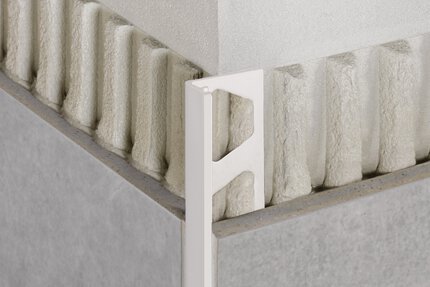
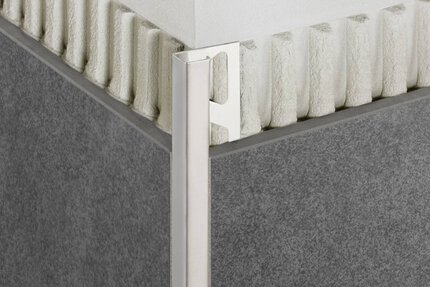
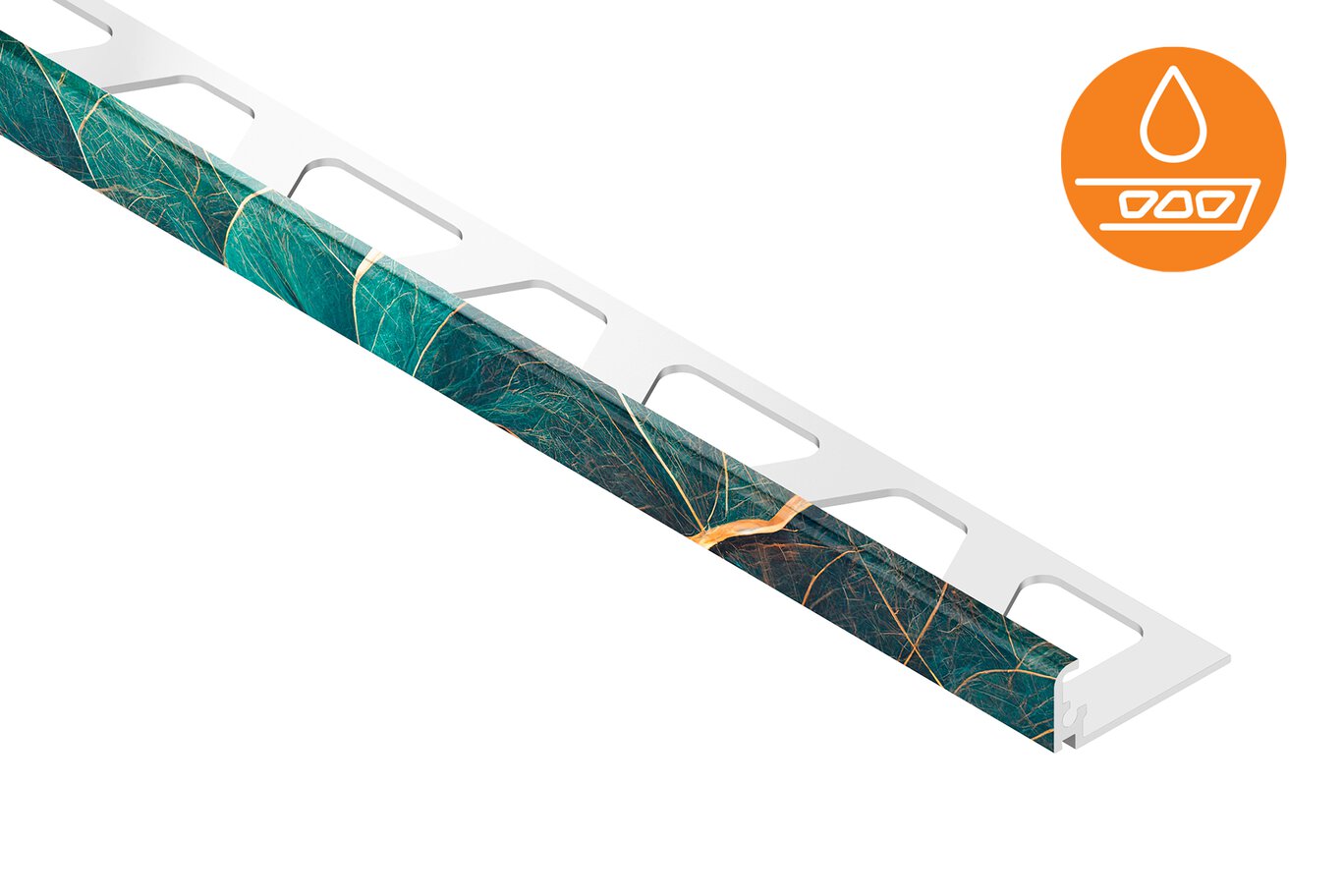
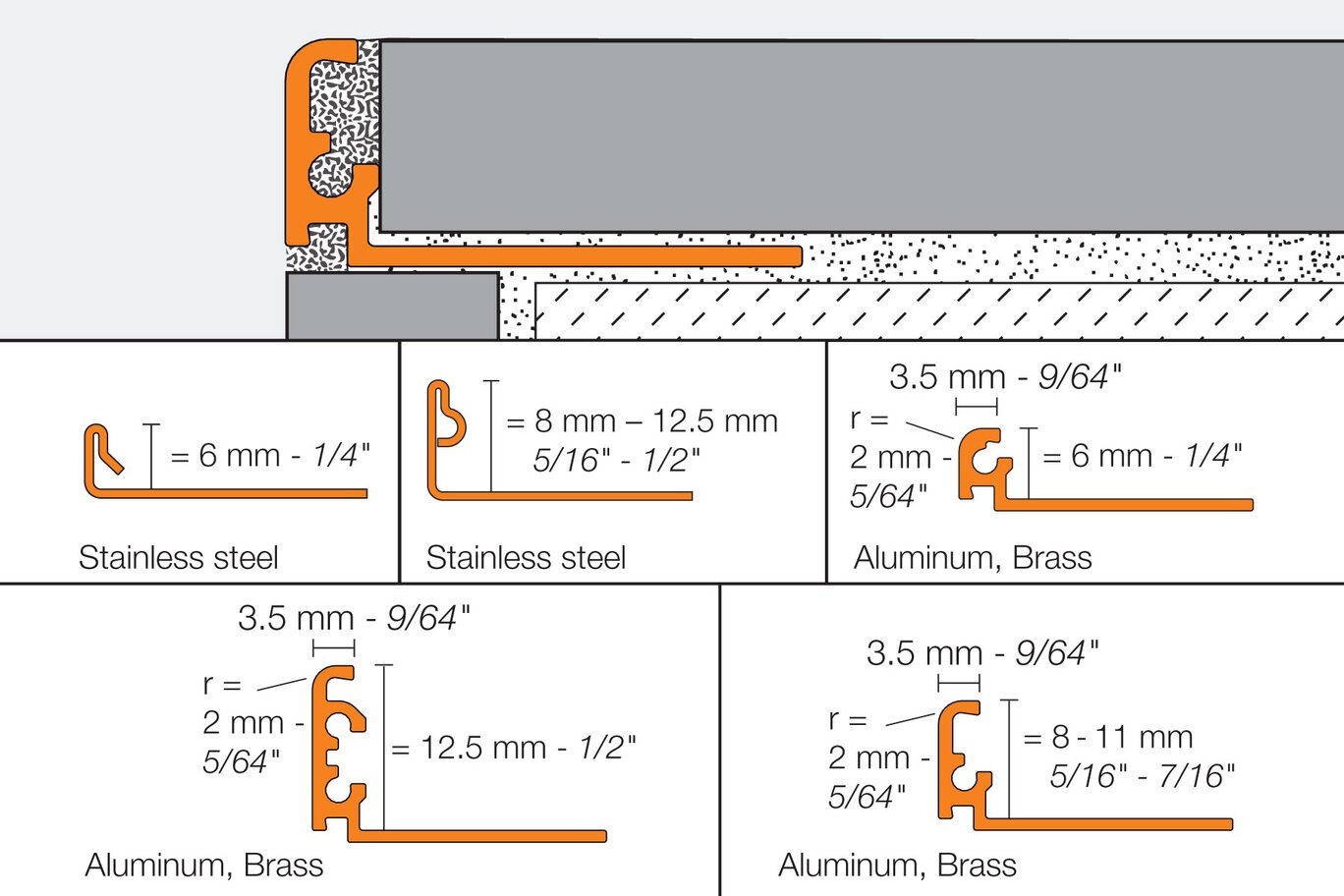
Finishing and edge-protection profile for outside wall corners and edges

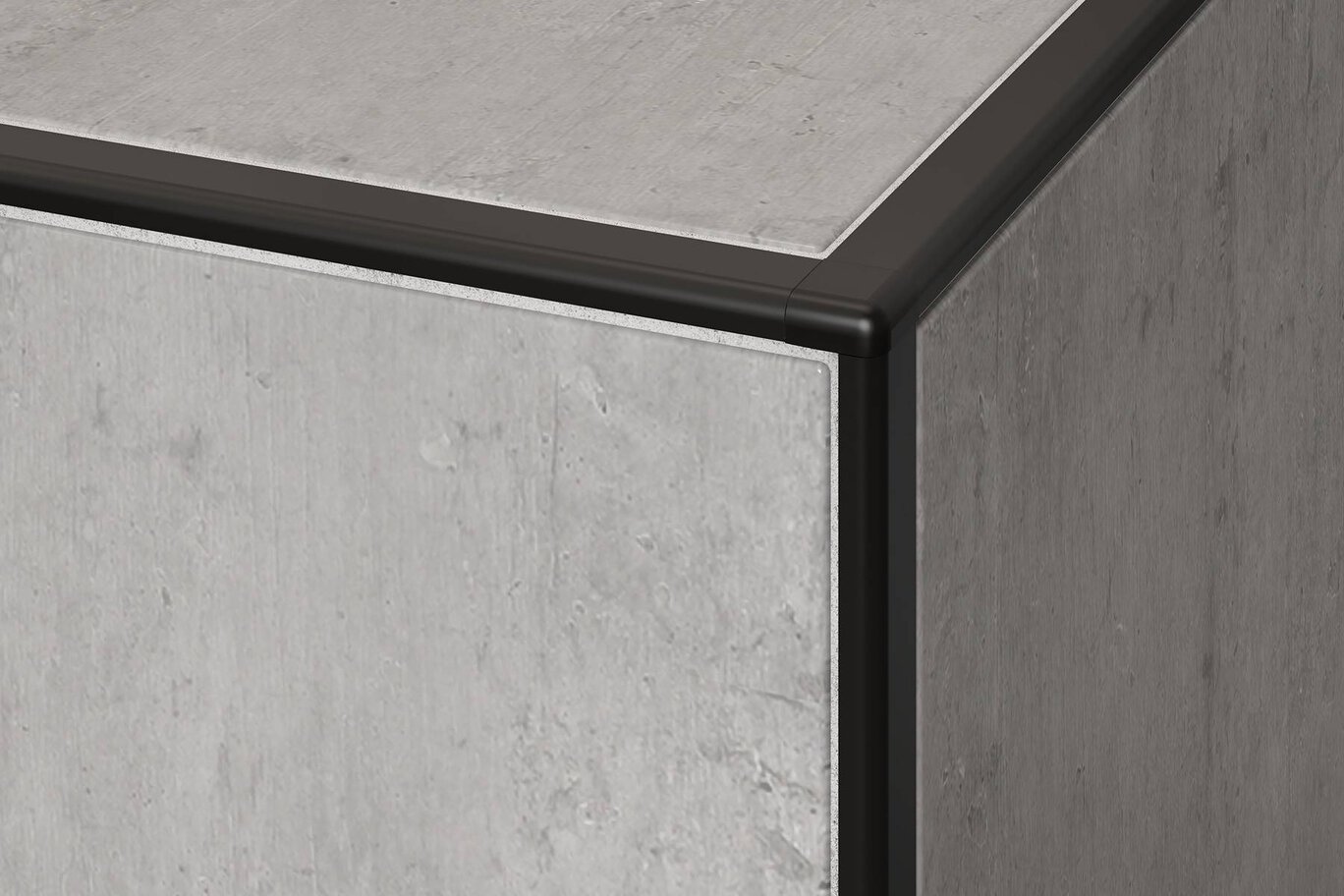
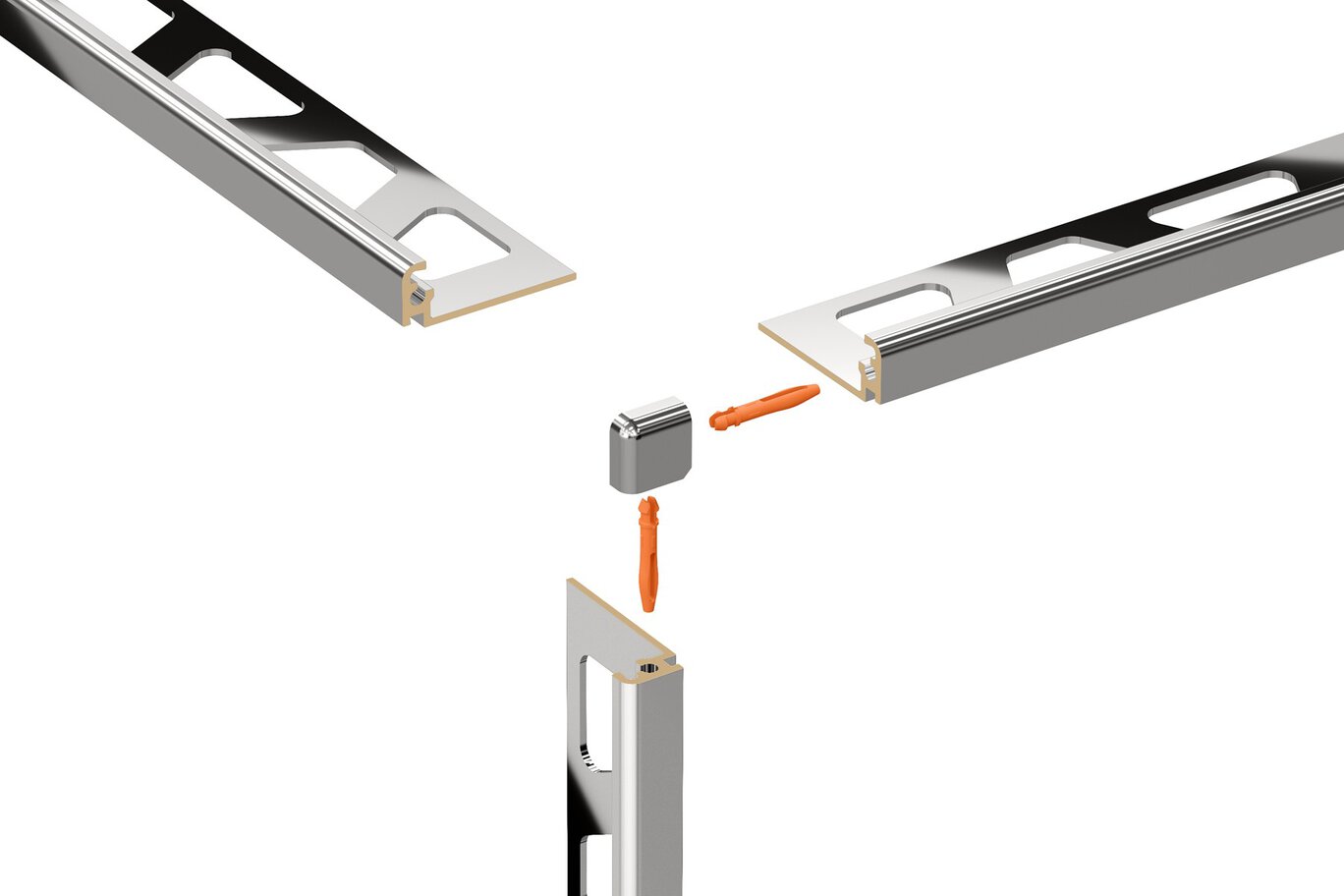
- New! Now features a 90° angle and matching corners!
- Prevents tile edges from chipping
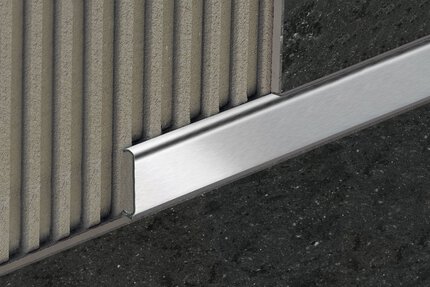
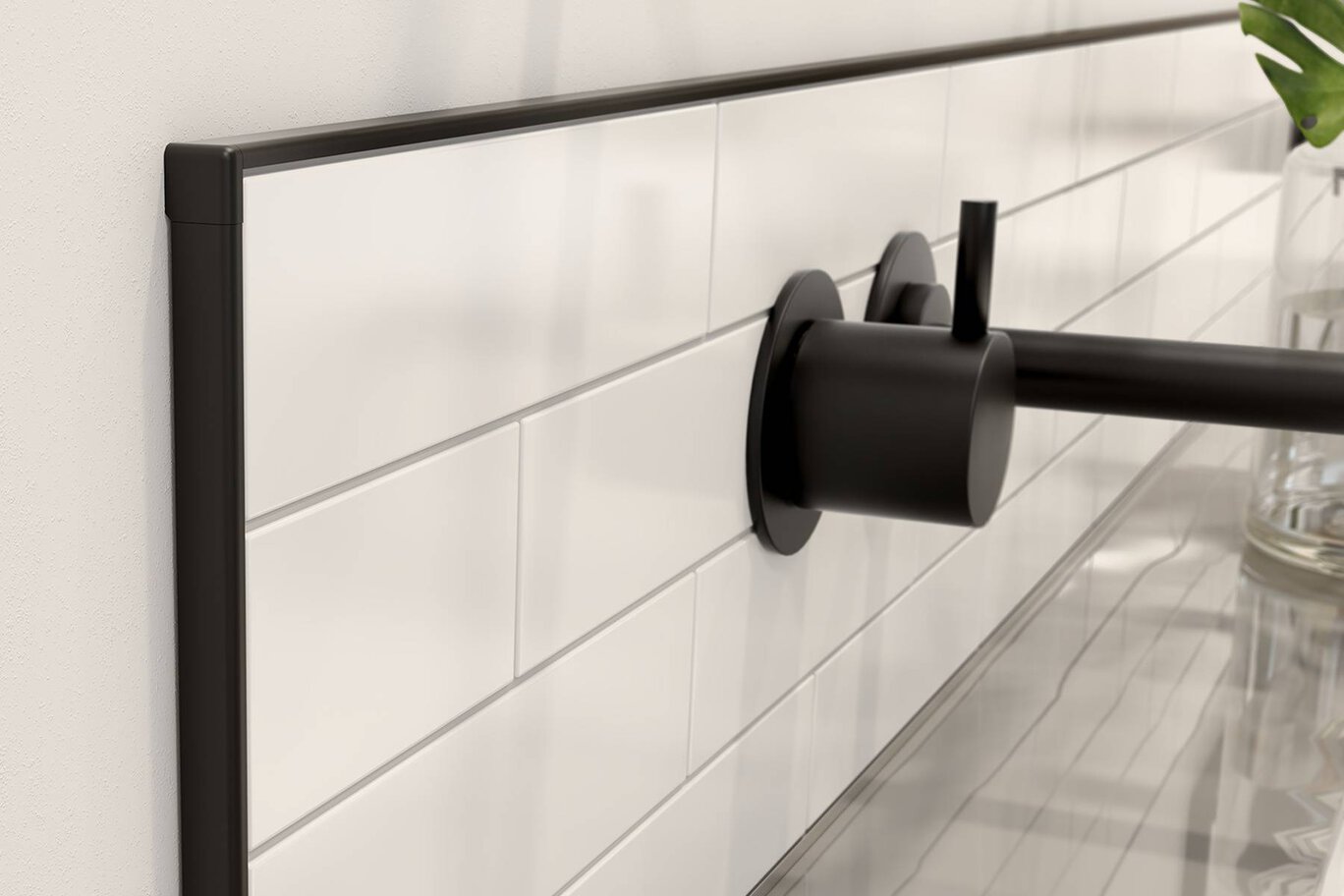
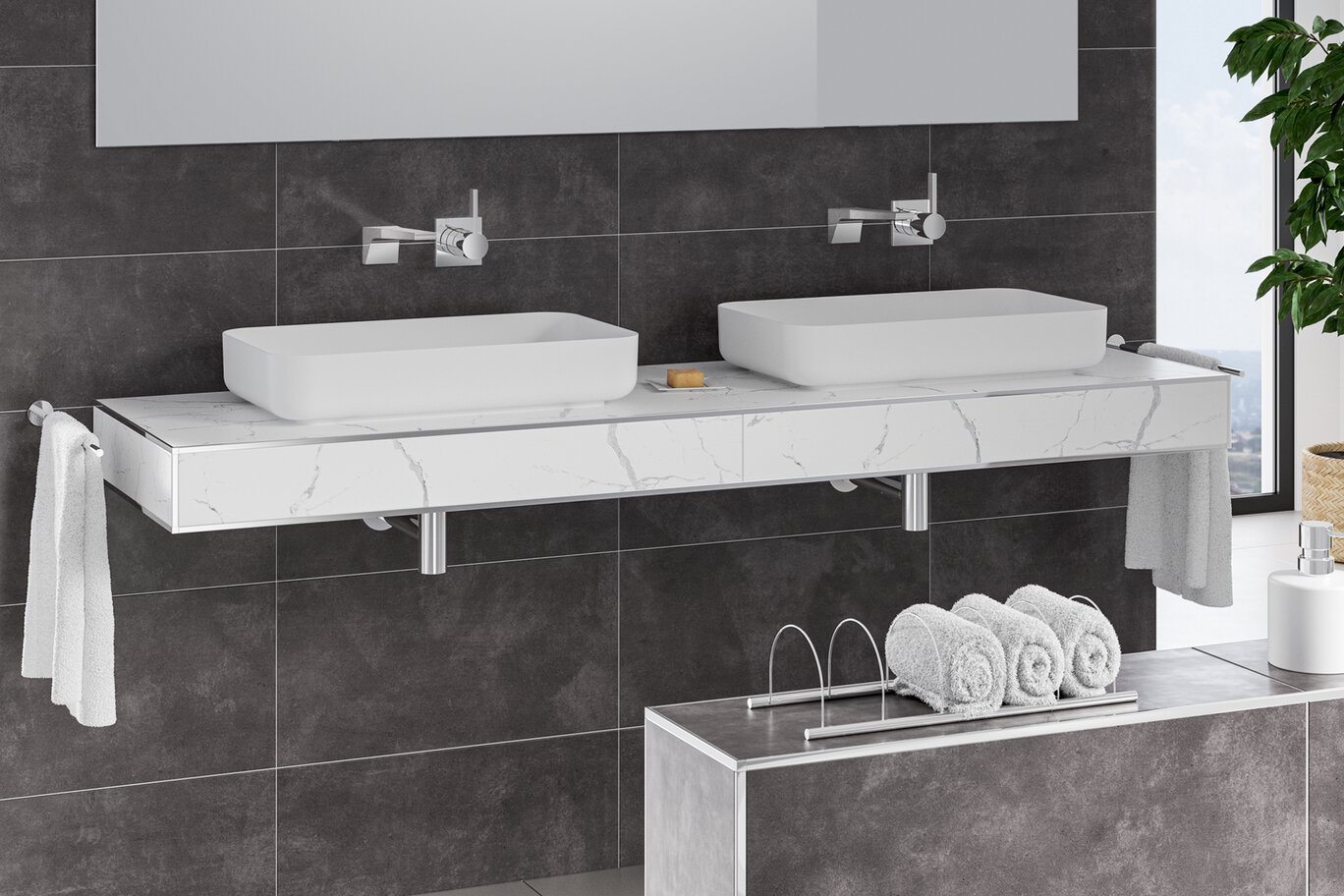
- Ideal for creating decorative transitions on walls
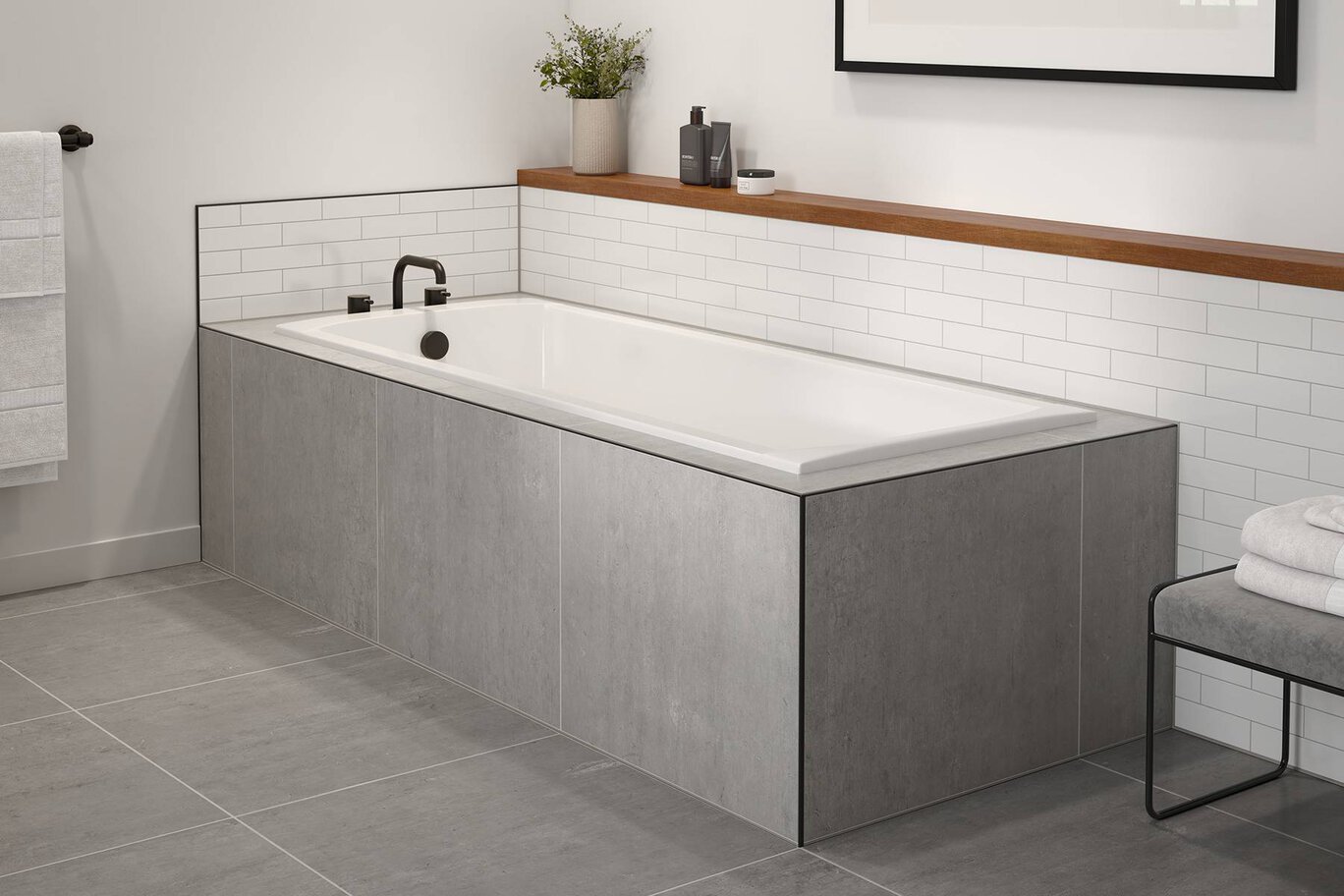
- Ideal trim for the top edge of a tiled wall, backsplash, and bathtub surround
- Features an integrated joint spacer that establishes a defined joint cavity between the tile and the profile
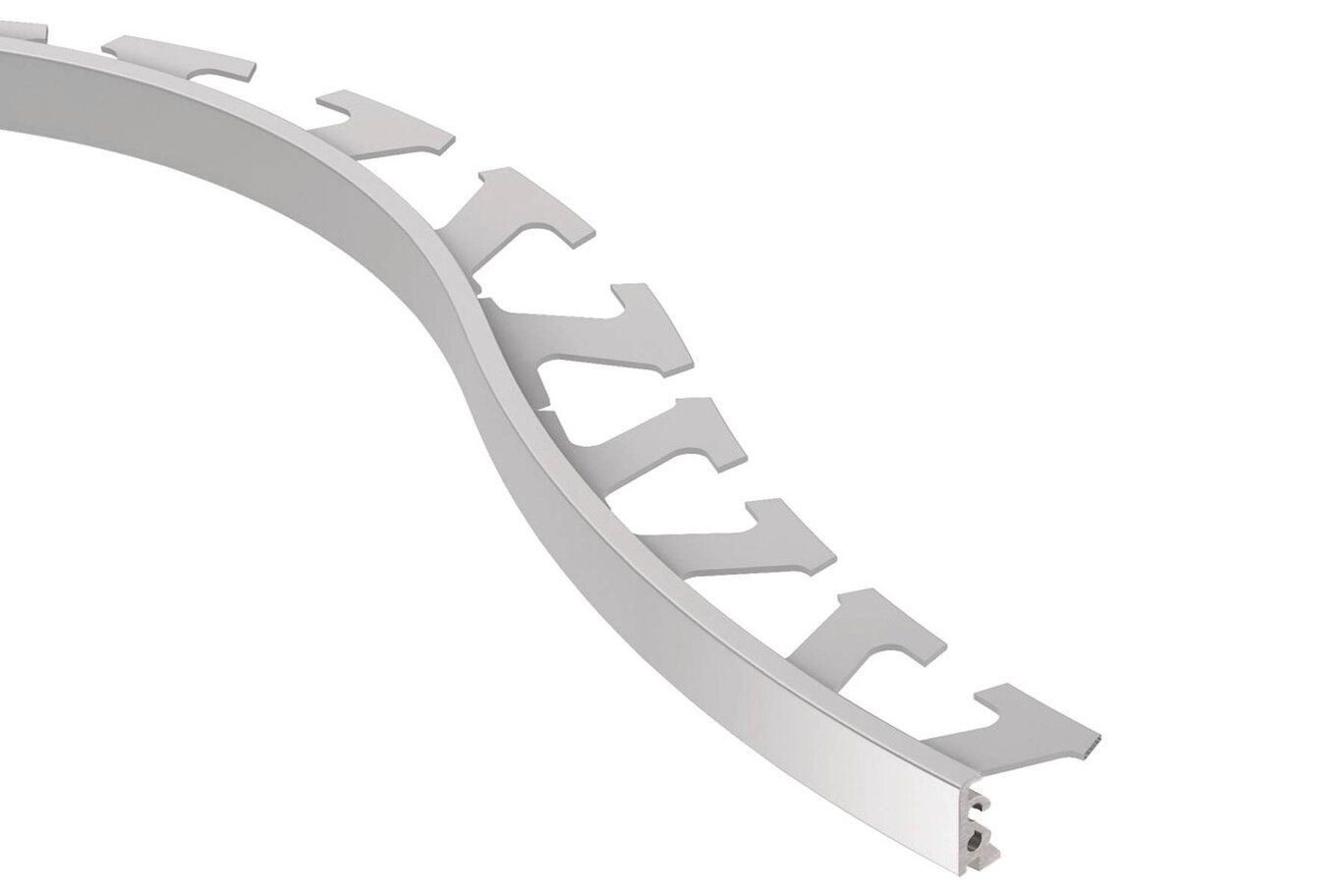
- Anchoring leg is available with a radius perforation so that the profile can be used to form curves
- Select finishes also available in 10’ (3.05 m) lengths



Trouvez ici les accessoires recommandés

Profile Estimator
Discover what you need for tile protection and easy transitions.
Schluter®-JOLLY est un profilé de finition et de protection pour les coins externes des surfaces murales carrelées. Le profilé est doté d’une ailette d’ancrage perforée de trous en forme trapèze qui s’enfonce dans le ciment-colle sous les carreaux. Ce profilé possède aussi une section en pente verticale de 90° qui procure un fini décoratif et protège le rebord des carreaux adjacents au profilé. Le profilé est disponible en laiton chromé, en aluminium coloré, en aluminium texturé coloré, en aluminium anodisé, ou en acier inoxydable.
JOLLY est disponible dans une grande variété de formats et de finis, ce qui permet de l’agencer à plusieurs types de carreaux et de coulis. Ce profilé peut être utilisé pour créer des transitions vers d’autres revêtements muraux tels que la pierre naturelle et les matériaux de résine. Le profilé possède un espaceur de coulis intégré qui contribue à créer un espace uniforme entre le carreau et le profilé.
Remarque : Le JOLLY en acier inoxydable ne comporte pas d’espaceur de coulis intégrés mural vertical. Des coins externes correspondants ainsi que des raccords sont offerts.
Le profilé pour revêtement mural et comptoir Schluter®-JOLLY ne requiert aucun soin ou entretien particulier et sont résistants aux moisissures et aux champignons. Nettoyez périodiquement les profilés au moyen d’un produit de nettoyage pH neutre.
Les surfaces en acier inoxydable exposées aux conditions ambiantes ou à des substances chimiques fortes doivent être nettoyées périodiquement avec un nettoyant neutre. Un entretien régulier favorisera la préservation de l’apparence de l’acier inoxydable et réduira les risques de corrosion. Évitez les acides puissants (ex. : acide chlorhydrique ou fluorhydrique) et les nettoyants alcalins (ex.: eau de javel, ammoniaque, chlore). N’utilisez pas de nettoyants ni d’outils abrasifs. Les surfaces d’acier inoxydable deviennent plus lustrées lorsqu’on les nettoie au moyen d’un produit de polissage pour chrome.
Oxidation films on exposed aluminum may be removed with a common polishing agent but will form again.
In the case of chrome plated brass, anodized aluminum, color coated aluminum and textured color-coated aluminum, do not use abrasive cleaning agents.
1. Select the profile according to tile thickness and format.
2. Using a notched trowel, apply thin-set mortar to the area where the profile is to be placed. If the JOLLY profile is to be used as an edging for an outside wall corner, finish tiling one wall first then trowel thin-set mortar over the corner area of the second wall.
3. Press the perforated anchoring leg of the profile into the mortar and align.
4. Trowel additional thin-set mortar over the perforated anchoring leg to ensure full coverage and support of the tile edges.
5. Solidly embed the tiles so that the tiled surface is flush with the top of the profile; the profile should not be higher than the tiled surface, but rather up to approx. 1/32" (1 mm) lower.
6. Set the tile to the integrated joint spacer, which ensures a uniform joint of 1/16" - 1/8" (1.5 - 3 mm).
7. Fill the joint completely with grout or setting material.
8. Work with materials and tools that will not scratch or damage sensitive surfaces. Setting materials must be removed immediately, especially from aluminum.
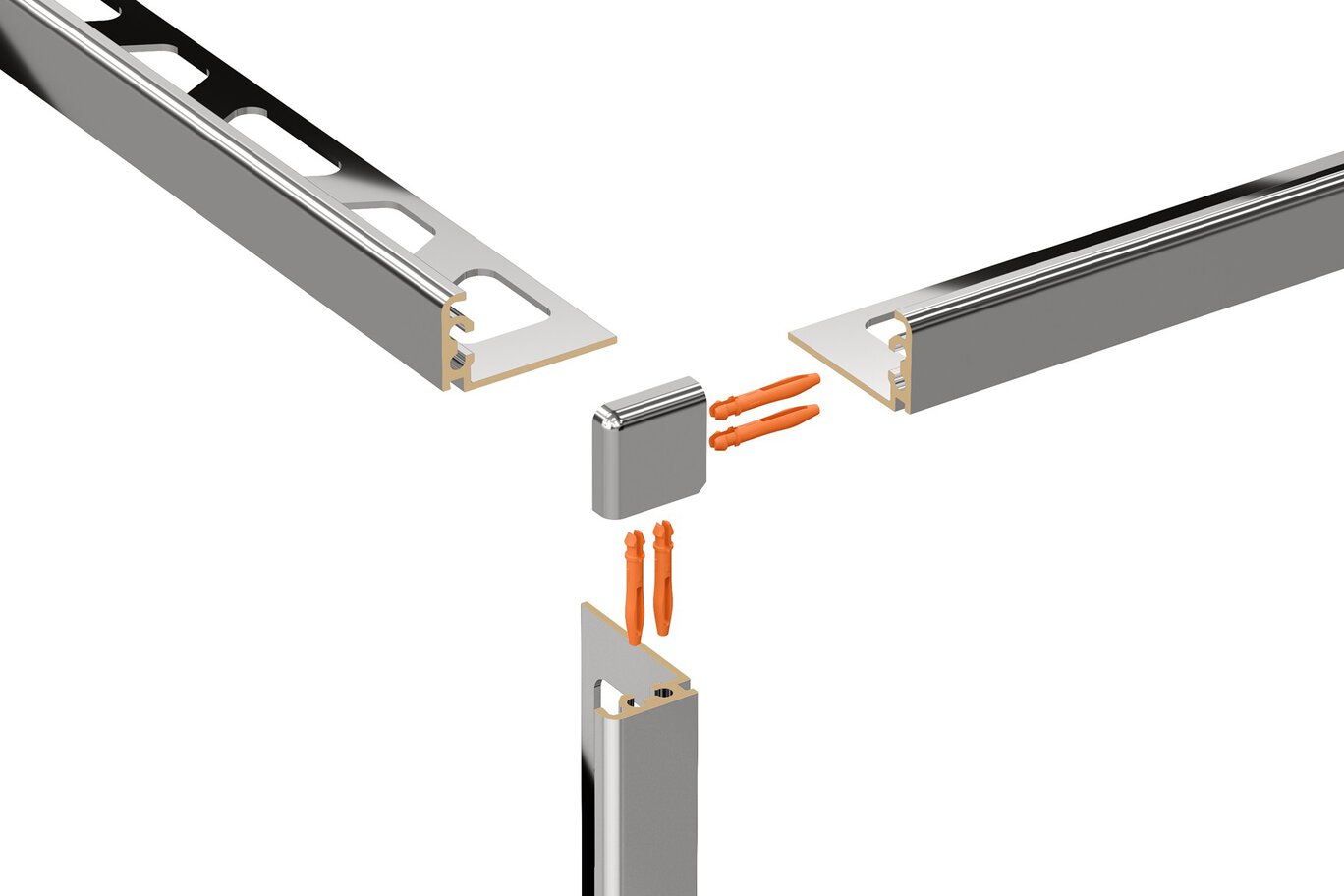
Note: For installation of JOLLY corners: Install using JOLLY corner connector pin. The corner connector pin has one end with a snap feature to lock into the corner piece, with the opposite end featuring a spring function that engages with the channel of the JOLLY profile. The corner connector pin is first snapped into the corner piece, then slid into the profile channel for installation. Refer to assembly instructions on the corner packaging.
Fiches signalétiques
FAQ
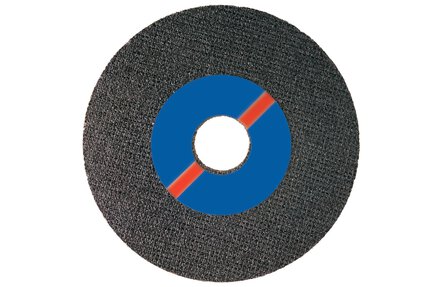
How do I cut profiles?
Schluter™ profiles are available in a variety of different materials , so methods for cutting vary. Below are best practices for cutting according...
Voir plusWhat is the difference between Schluter®-JOLLY and Schluter®-SCHIENE profiles?
SCHIENE is designed to provide edging for tile coverings on floors. Typical applications include edge protection where...
Voir plusWhat is the difference between Schluter®-JOLLY and Schluter®-JOLLY-P profiles?
JOLLY profiles' new design introduces 90° vertical wall section that allows for better alignment and appearance when abutting with other profiles...
Voir plusDessins CAO
Specify our products using the


Regarder et apprendre
À propos du produit

Introduction to Schluter® Profiles

Tips on How to Choose Your Profile Size in Relation to Your Tile

Tips on Cutting Profiles
Introducing the NEW Schluter®-JOLLY
Trouvez des didacticiels existants et des vidéos de documentation de projet pour apprendre comment tirer le meilleur parti de nos produits - pour plus de plaisir dans votre vie, commencez maintenant!
Regardez plus de vidéos / listes de lecture