Schluter®-RONDEC
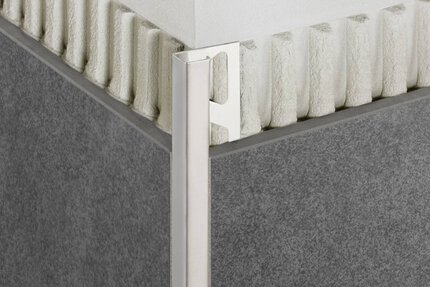
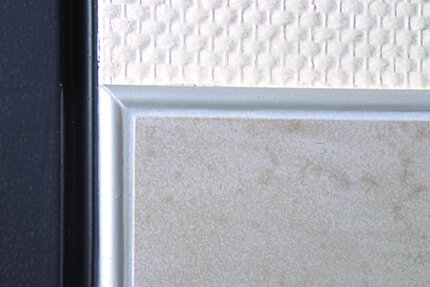
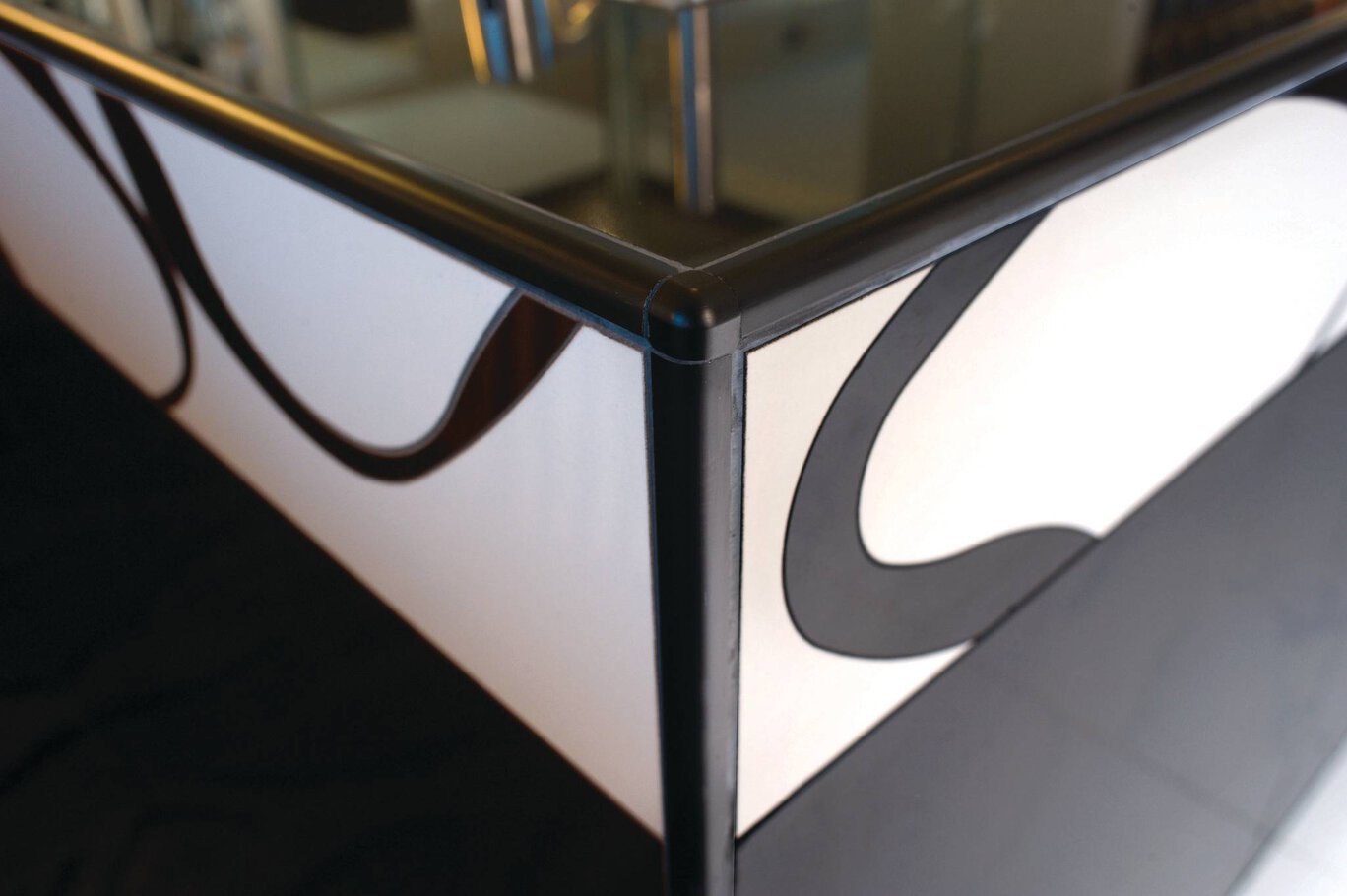
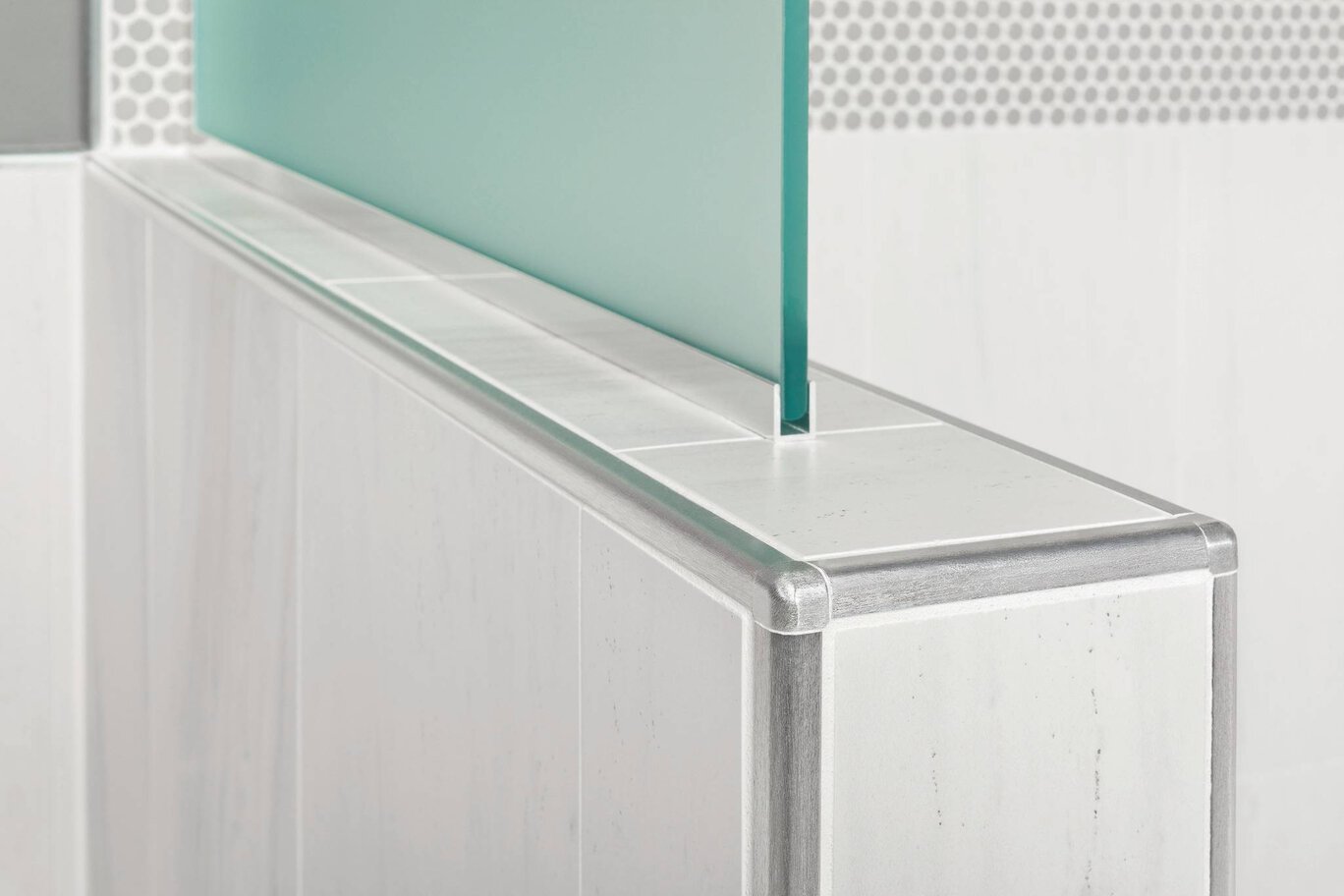
Finishing and edge-protection profile with a rounded reveal surface

- New! Now available in 10’ (3.05 m) lengths
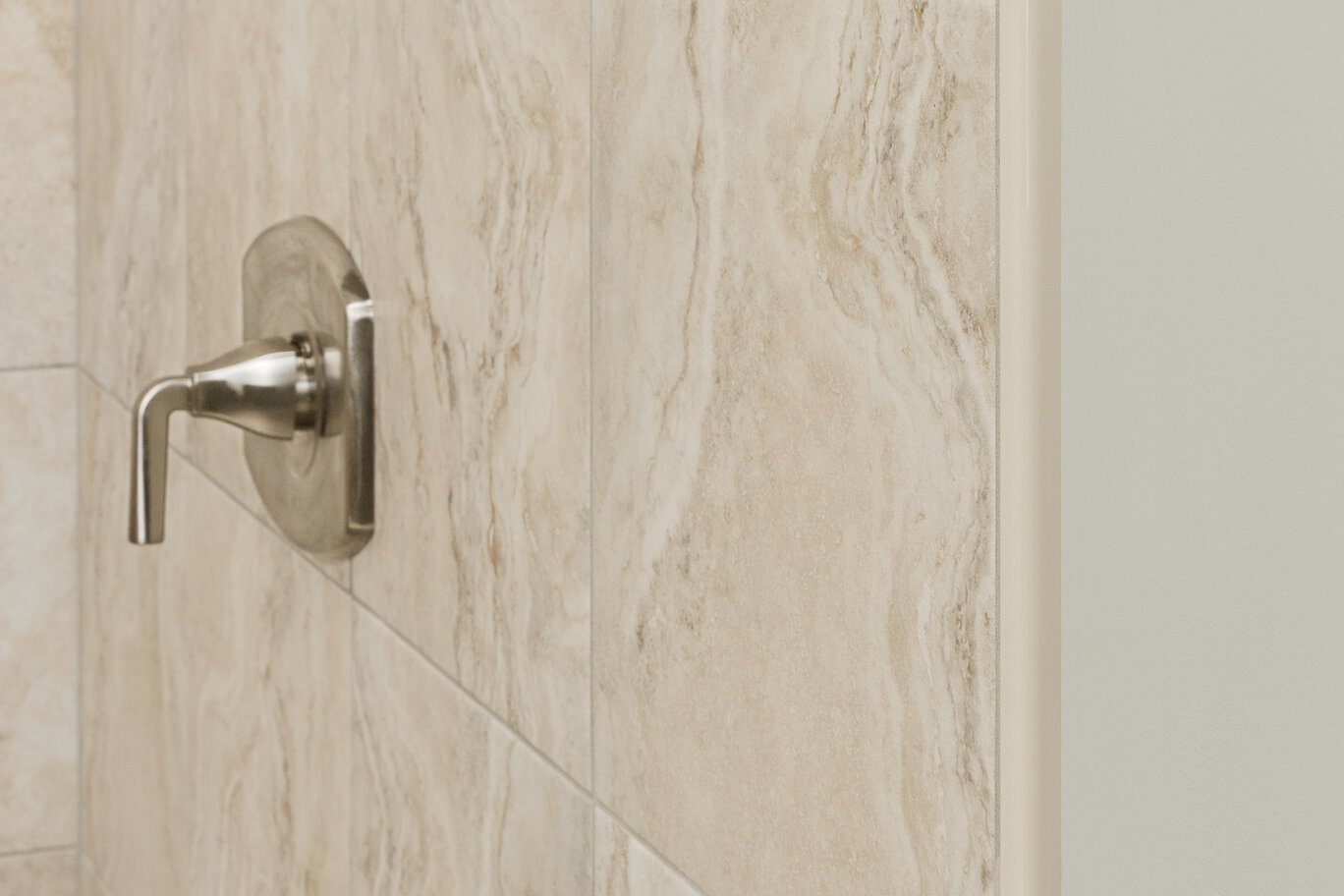
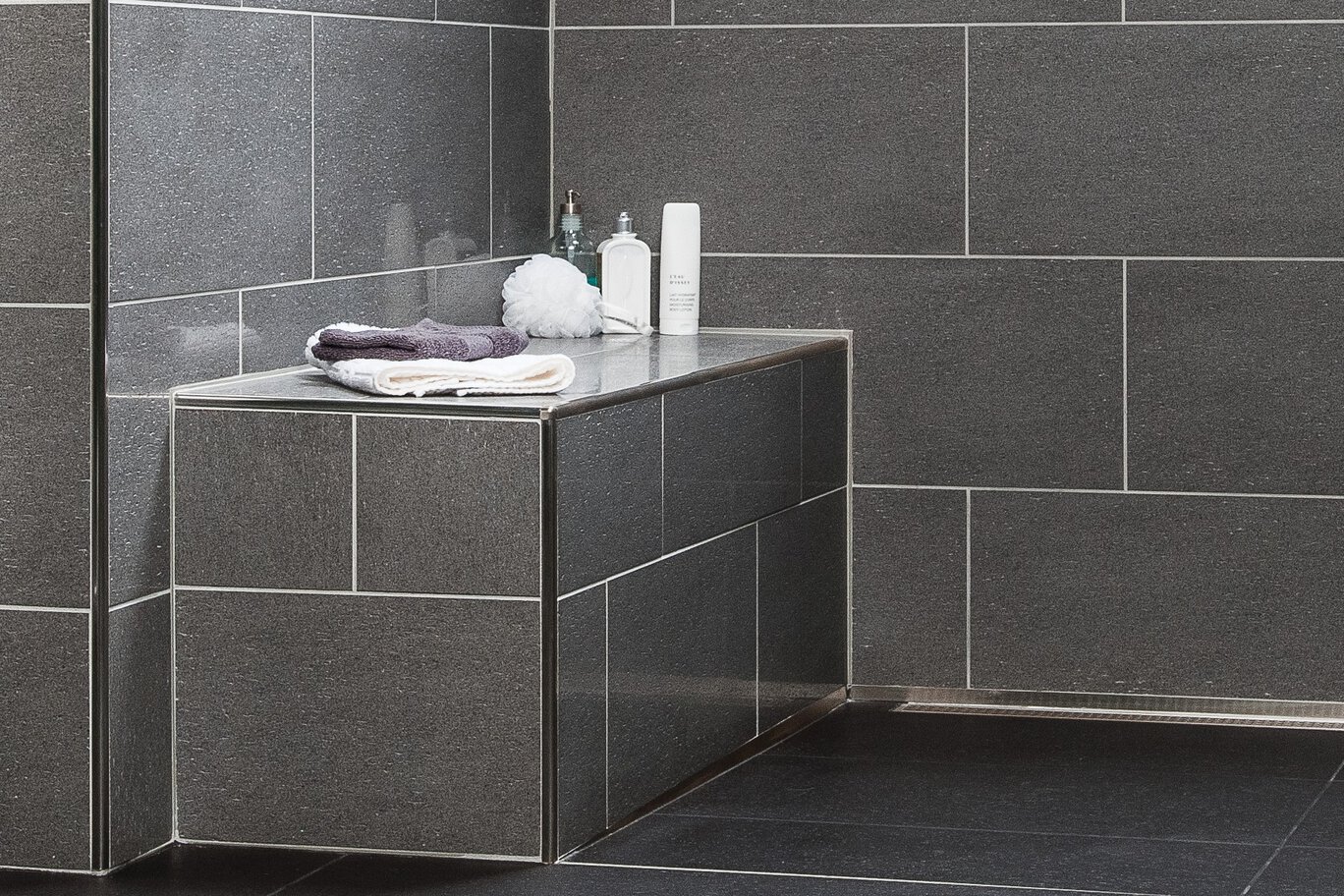
- Prevents tile edges from chipping
- Ideal for color coordination for tile and grout
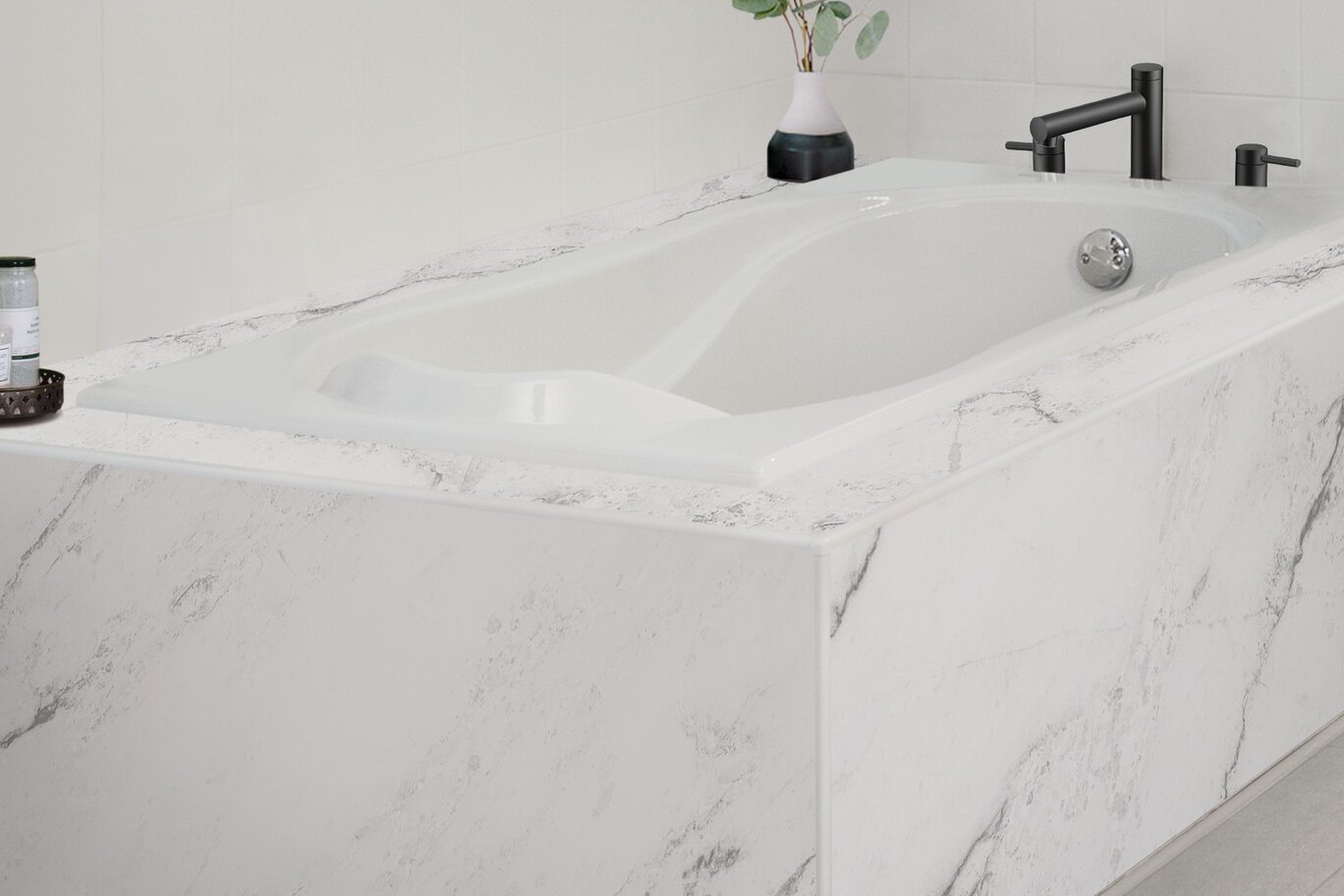
- Creates beautiful accents and decorative designs
- Combine with the DESIGNLINE border profile for increased design options
- Features an integrated joint spacer that creates a defined joint cavity between the tile and profile (specific materials only)
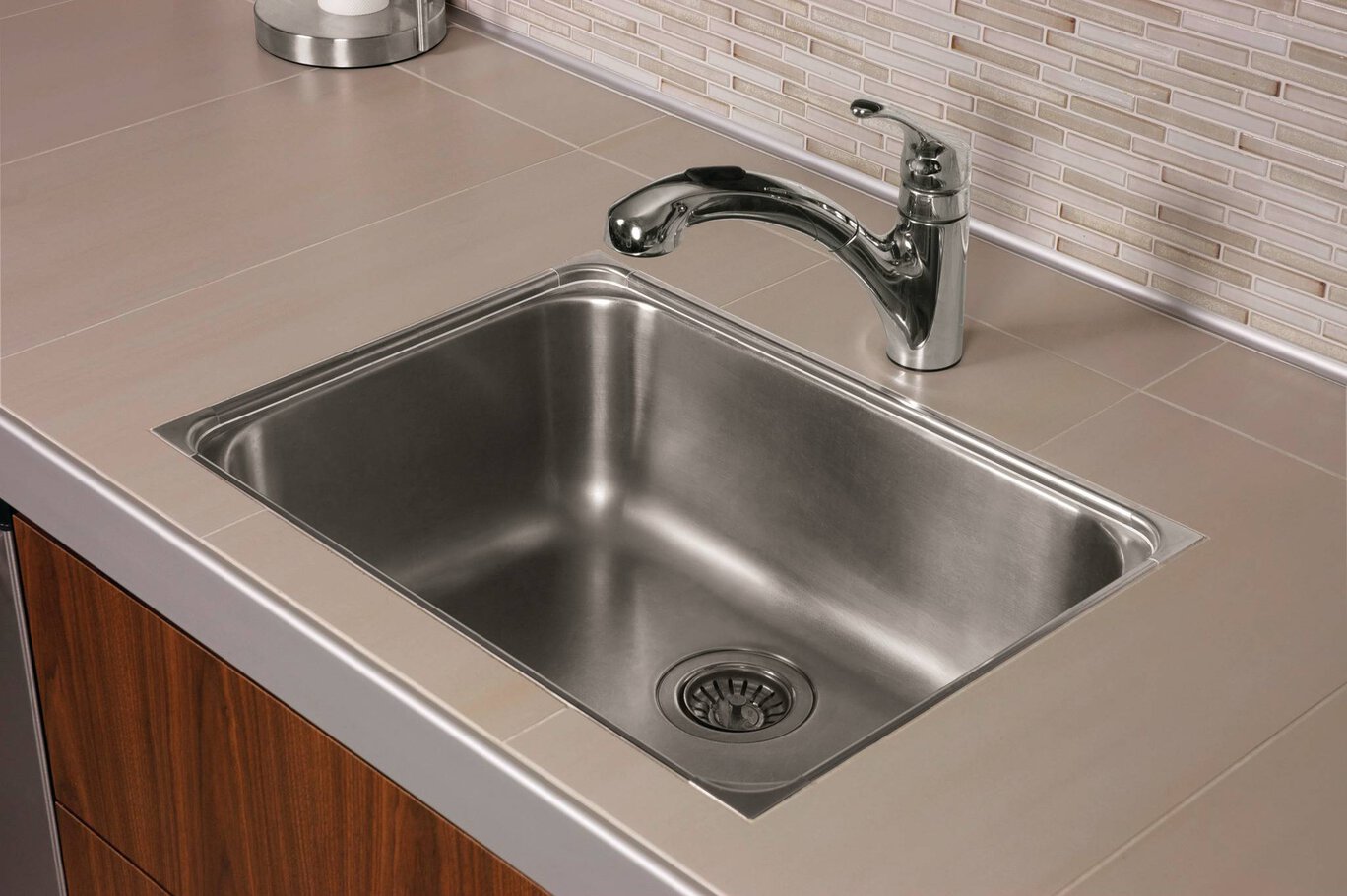
- Full line of accessories available, including inside and outside corners, sink corners, connectors, and end caps
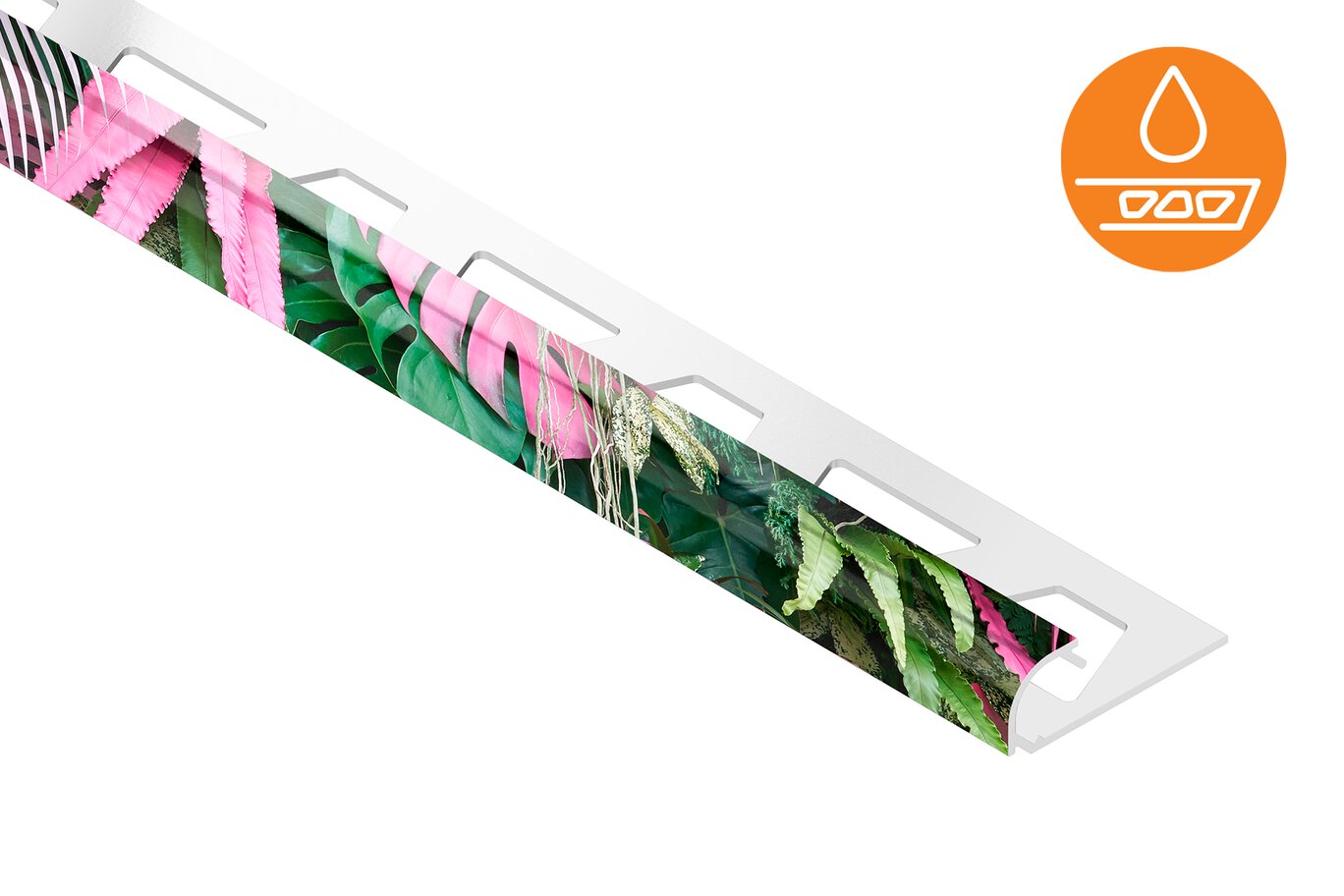
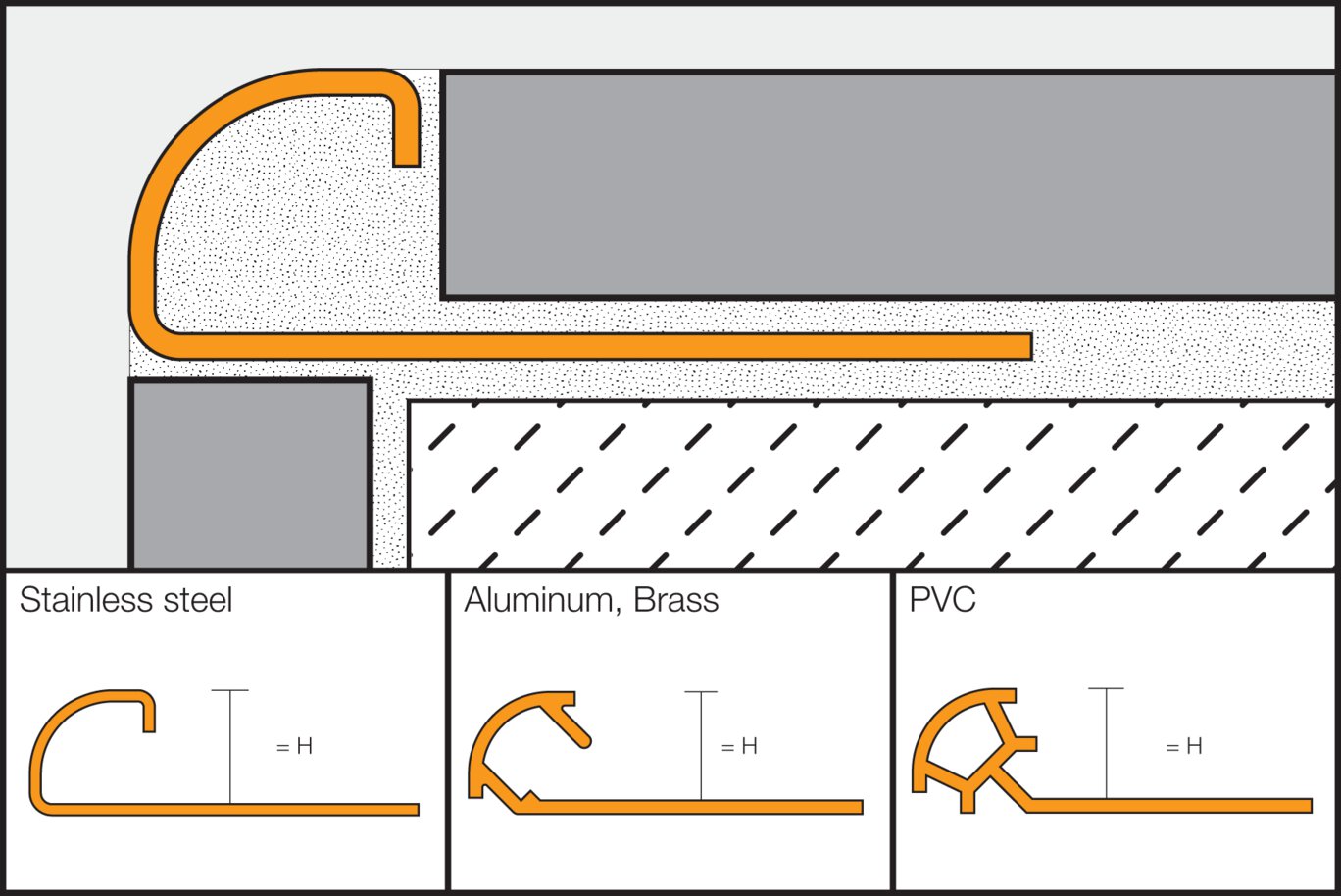
- Available in chrome-plated solid brass, anodized aluminum, textured and color-coated aluminum, stainless steel, and PVC



Find recommended accessories here

Profile Estimator
Discover what you need for tile protection and easy transitions.
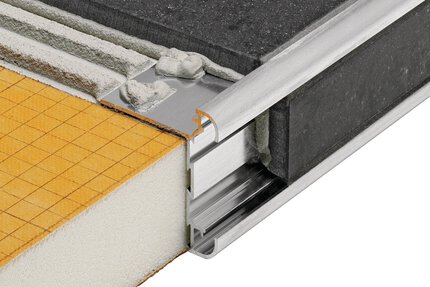
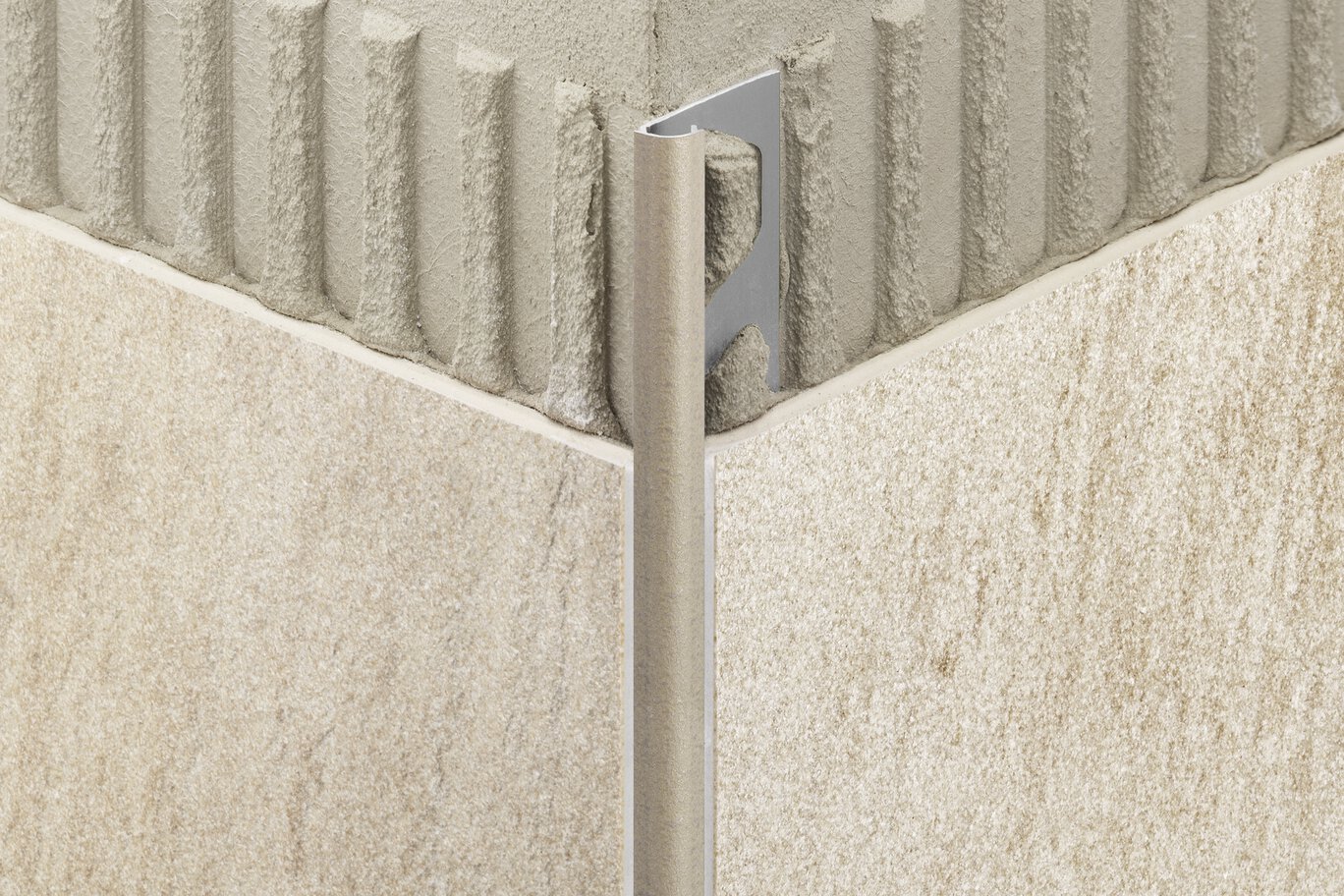
Schluter® RONDEC es un perfil de terminación y protección para las esquinas exteriores de superficies revestidas con baldosas. Presenta un ala de fijación perforada trapezoidalmente que se fija en la capa de mortero adhesivo debajo de la baldosa y un reborde que forma una esquina redondeada de 1/4" (6 mm) de radio simétricamente a lo largo del borde de la superficie.
El perfil está disponible en latón sólido cromado, aluminio anodizado, aluminio texturizado revestido con color, acero inoxidable y PVC. La amplia variedad de materiales, colores y acabados de RONDEC permite la coordinación con la baldosa y la lechada y la creación de detalles de diseños decorativos. Además de su efecto decorativo, el perfil protege los bordes de las baldosas contra los daños causados por las tensiones mecánicas.
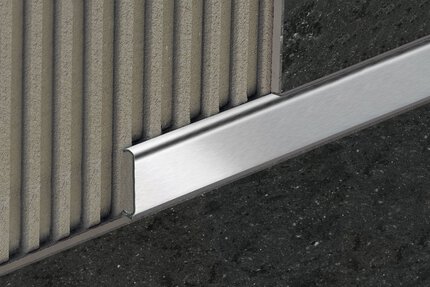
RONDEC, de acero inoxidable, es especialmente resistente al desgaste cuando se utiliza como protección de bordes. También se puede utilizar como borde de peldaño de escalera o perfil de transición.
Además, RONDEC es adecuado para transiciones, esquinas u otros revestimientos con otros materiales de revestimiento
Nota: RONDEC, en acero inoxidable y latón macizo, no disponen de separador de juntas integrado. Hay disponibles esquinas interiores y exteriores a juego, incluidas esquinas de lavabo, y conectores. Para RONDEC en acero inoxidable hay disponibles tapones terminales a juego.
Le profilé Schluter-RONDEC ne requiert aucun soin ou entretien particulier et est résistant aux moisissures et aux champignons. Nettoyez périodiquement les profilés au moyen d’un produit de nettoyage neutre. Les surfaces en acier exposées aux conditions ambiantes ou à des substances chimiques fortes doivent être nettoyées périodiquement avec un nettoyant neutre. Un entretien régulier favorisera la préservation de l’apparence de l’acier inoxydable et réduira les risques de corrosion. Évitez les acides puissants (ex. : acide chlorhydrique ou fluorhydrique) et les nettoyants alcalins (ex. : eau de javel, ammoniaque, chlore). N’utilisez pas de nettoyants ni d’outils abrasifs. Les surfaces d’acier inoxydable deviennent plus lustrées lorsqu’on les nettoie au moyen d’un produit de polissage pour chrome. Les pellicules d’oxydation qui se forment sur le laiton ou l’aluminium exposés peuvent être enlevées au moyen d’un agent de polissage ordinaire, mais elles réapparaîtront. Dans le cas du laiton chromé, de l’aluminium anodisé, de l’aluminium coloré et de l’aluminium coloré texturé, il faut éviter d’employer des nettoyants abrasifs.
1. Select the profile according to tile thickness and format.
2. Using a notched trowel, apply thin-set mortar to the area where the profile is to be placed. If the RONDEC profile is to be used as edging for an outside wall corner, finish tiling one wall first; then trowel thin-set mortar over the corner area of the second wall.
3. Press the perforated anchoring leg of the profile into the mortar and align.
4. Trowel additional thin-set mortar over the perforated anchoring leg to ensure full coverage and support of the tile edges.
5. Solidly embed the tiles so that the tiled surface is flush with the top of the profile; the profile should not be higher than the tiled surface, but rather up to approx. 1/32" (1 mm) lower.
6. Set the tile to the integrated joint spacer, which ensures a uniform joint of 1/16" - 1/8" (1.5 - 3 mm). With the stainless steel profiles, leave a space of approximately 1/16" - 1/8" (1.5 - 3 mm).
7. Fill the joint completely with grout or setting material.
8. Work with materials and tools that will not scratch or damage sensitive surfaces. Setting materials must be removed immediately, especially from aluminum.
Note: Matching corners are available for RONDEC. Corners and end caps are held in place with thin-set mortar. Fill the ends of the profile with thin-set mortar prior to inserting the accessories. Connectors are held in place with a friction fit. Insert the connector into the profile approximately half the length of the connector piece and connect the adjacent profile.
For installation of RONDEC sink corners (1-1/2" radius):
1. Insert the sink corner connectors into the profiles. Apply thin-set mortar to the substrate and firmly embed the profiles into the mortar.
2. Using a margin trowel, fill the back of the sink corners with thin-set mortar. Install the corners over the connectors and align. 3. Setting materials must be removed immediately
FAQ
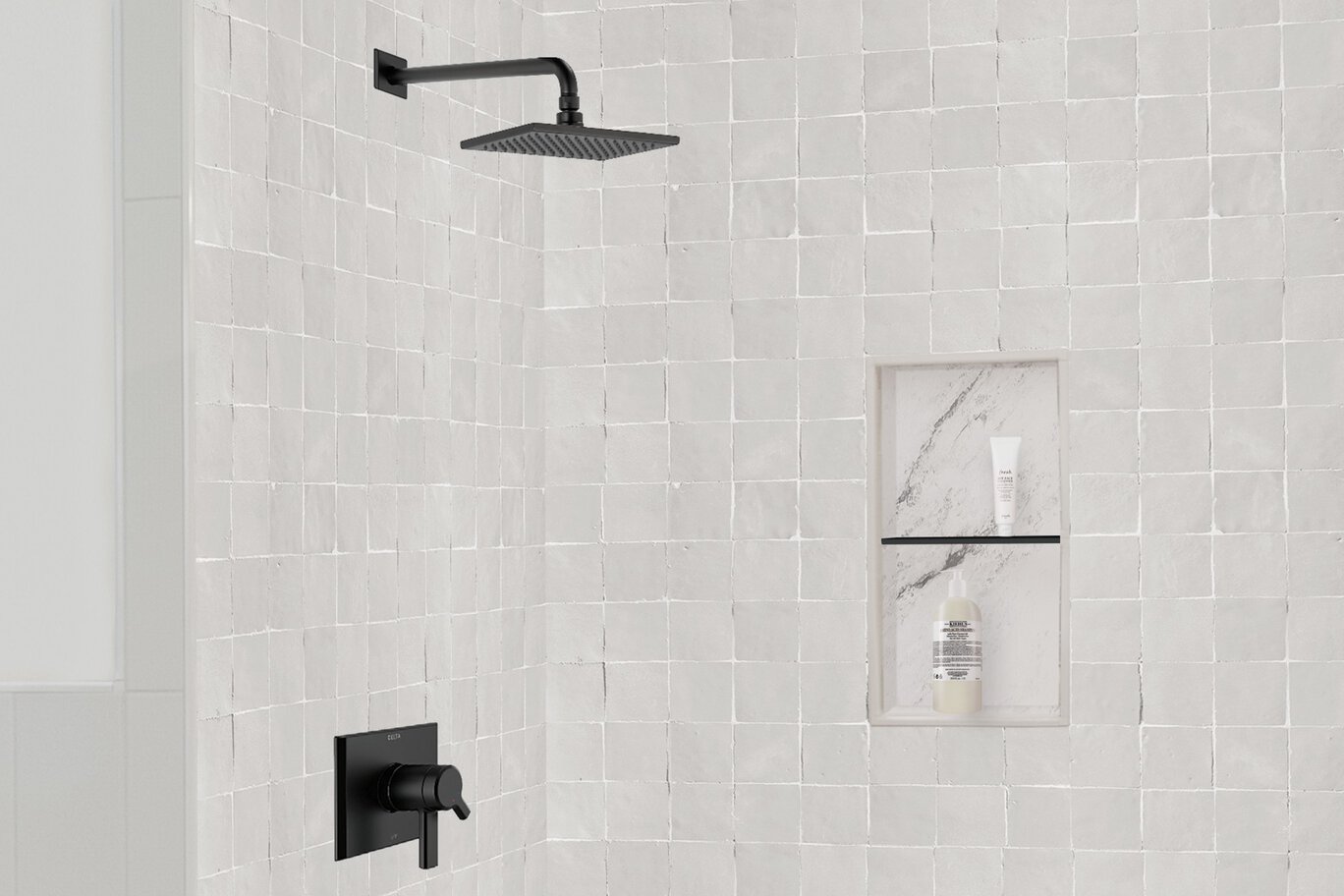
When framing a Schluter®-KERDI-BOARD-SN shower niche with Schluter®-RONDEC, do I use inside or outside corner accessories?
How do I cut profiles?
Schluter™ profiles are available in a variety of different materials , so methods for cutting vary. Below are best practices for cutting according...
Read moreCAD drawings
Specify our products using the


Watch & Learn
About the product

How to install tile edge trim on walls: Schluter®-RONDEC profile

Introduction to Schluter® Profiles

Tips on How to Choose Your Profile Size in Relation to Your Tile

Tips on Cutting Profiles
Find some existing tutorials and project documentation videos to learn how-to get the best out of our products - for more fun in your life, start now!
Watch more videos / playlists